As the global Rubber Tile market keeps evolving, industry folks are keeping a close eye on emerging trends. Some experts are even predicting pretty big shifts in how these tiles look and work. Take John Smith, a well-known name in the rubber tile world—he’s always saying, ‘Innovation is what keeps our industry moving forward.’ And honestly, that really captures how fast things are changing in the flooring game.
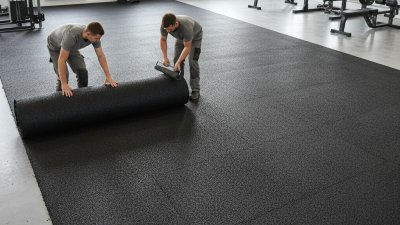
Lately, there’s been a real buzz around durable, eco-friendly materials. More buyers are on the hunt for products that aren’t just practical but also add some style to the space. For example, the China Manufacturer Gym Rubber Flooring Easy Installation Rubber Floor Tile has become super popular because it’s easy to put down and lasts a long time. Basically, people want stuff that’s both functional and good-looking.
But, here’s the thing—while innovation is definitely key, companies also have to face some real challenges. The market’s getting pretty crowded, which can make it hard for brands to stand out. And as production speeds up, making sure quality stays high is a tricky balance. Looking ahead to 2026, grasping these trends will be more important than ever for buyers around the globe who want to stay ahead in the rubber tile game. The secret sauce? Combining fresh ideas with dependable quality—it’s gonna shape the future of flooring solutions.

2026 Rubber Tile Market Overview: Key Insights for Global Buyers
The rubber tile market is evolving. For global buyers, understanding upcoming trends is crucial. In 2026, sustainable materials will dominate. Eco-friendly Rubber tiles offer durability and environmental benefits. Buyers should look for products that utilize recycled materials. This shift reflects growing consumer demand for sustainability.
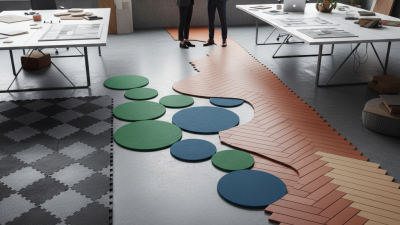
Design choices in rubber tiles are becoming bolder. Vibrant colors and unique textures will attract attention. Expect to see patterns that mimic natural elements. However, not every design will suit all spaces. Buyers must consider the aesthetic fit before making decisions. Practicality should guide choices too, as some designs may wear quickly in high-traffic areas.
Moreover, technology is playing a role. Smart tiles with embedded sensors offer innovative solutions for monitoring wear and safety. However, this technology can be complex. Buyers need reliable information to make informed choices. The balance between innovation and usability will be vital for long-term satisfaction.
Emerging Trends in Rubber Tile Design and Aesthetics for 2026
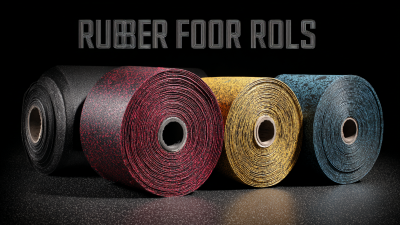
As we approach 2026, new trends in rubber tile design are emerging, shaping aesthetics and functionality. Buyers are increasingly valuing eco-friendly materials, ensuring sustainability in their choices. Textures are becoming crucial in these designs. From wood grain patterns to smooth and glossy finishes, the variety enhances visual appeal. Bold colors and unique patterns are also rising, allowing buyers to express creativity in spaces like Gyms or play areas.
Tips for selecting rubber tiles: consider the space’s purpose. For instance, a gym room may require waterproof high density rubber tiles. These durable options can withstand high traffic and moisture. Look for tiles that provide slip resistance while maintaining a stylish appearance. Are you willing to take risks with color? A vibrant tile scheme can energize a workout space, inspiring motivation.
Another trend is the integration of technology, with some tiles featuring embedded sensors for fitness tracking. Suppliers are focusing on practical designs that keep up with modern lifestyles. However, not every innovation performs well in practice. Reflect on your choices and ensure they fit your needs. Your rubber tile selection should balance aesthetic appeal and functionality.
Sustainability in Rubber Tile Production: Innovations and Practices
Sustainability has emerged as a crucial principle in rubber tile production. With the global flooring market projected to reach $450 billion by 2026, many buyers are seeking eco-friendly options. Reports indicate that recycled materials can make up to 50% of rubber tiles, significantly reducing waste. These innovations not only help the environment but also appeal to conscious consumers.
Incorporating sustainable practices can be challenging. Manufacturers face hurdles in sourcing quality recycled rubber without compromising tile integrity. Some facilities still rely on non-renewable resources, contradicting sustainability goals. Additionally, consumer education is necessary. Many buyers are unaware of the benefits of choosing sustainable products over traditional options.
Investments in research are vital. The global green building materials market is expected to exceed $500 billion by 2027. Companies that prioritize sustainable production will likely gain a competitive edge. However, it’s essential to remain transparent about production methods. As consumer demand grows, the industry must adapt, ensuring a balance between innovation and responsibility.
Technological Advancements Influencing Rubber Tile Performance
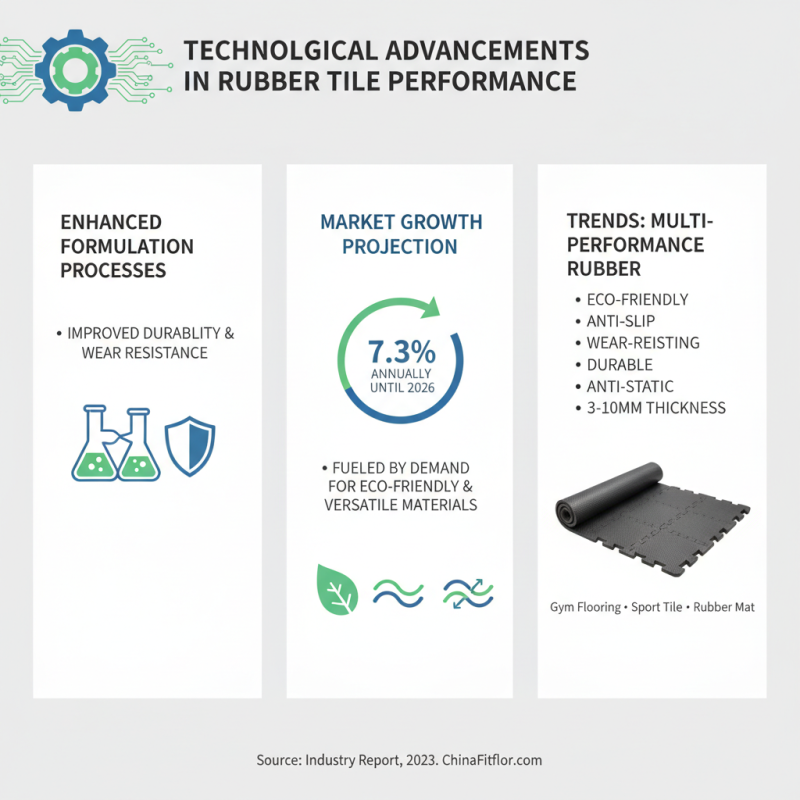
Technological advancements in rubber tile manufacturing are altering the landscape for global buyers. Innovations such as enhanced formulation processes have led to improved durability and wear resistance. According to a recent industry report, the market for Rubber Flooring is projected to grow by 7.3% annually until 2026. This growth is fueled by increased demand for eco-friendly and versatile materials. The rise ofEco-friendly Anti-slip Wear-resisting Durable Anti-static 3mm to 10mm Thickness Gym Rubber Flooring Roll Rubber Mat Sport Tile showcases this trend.
New technologies are also improving performance characteristics. More manufacturers are adopting recycled materials to enhance sustainability. Additionally, advances in surface finishes ensure better grip and safety, critical in high-traffic areas. However, not all innovations are uniformly effective. Some products may not live up to durability claims. It's essential to assess performance under different conditions and applications.
Tips for buyers: Look for certifications that confirm the eco-friendliness and performance of the tiles. Engaging with industry experts can provide insight into the best options for specific needs. Always consider the actual environment where the tiles will be installed. Testing the surface under real-life conditions is also advisable. Implementing these strategies can lead to more informed purchasing decisions.
Global Sourcing Strategies for Rubber Tiles in the 2026 Market
In 2026, global sourcing strategies for rubber tiles will be pivotal. Buyers must adapt to evolving market demands. Sustainability trends are expected to influence product choices. Increased awareness of environmental impacts leads to higher demand for eco-friendly materials.
Collaboration with reliable manufacturers will be essential. Buyers should prioritize suppliers that emphasize quality and transparency. Establishing strong relationships can facilitate better pricing and availability. Information access will play a crucial role in making informed decisions. However, navigating varied international standards can be challenging.
Buyers should also consider logistics and shipping strategies. Supply chain disruptions have highlighted vulnerabilities in rubber tile sourcing. Evaluating potential risks in transportation can minimize delays. Furthermore, understanding local market preferences can enhance product fit. Adapting to local demands may require innovative approaches in design and functionality. Embracing diversity in product offerings will enable better market penetration.
Consumer Preferences Shaping Rubber Tile Choices in 2026
As we look toward 2026, consumer preferences are dramatically influencing the Rubber Tile market. Buyers increasingly seek sustainable materials that minimize environmental impact. Rubber tiles made from recycled materials become more appealing as eco-consciousness grows. Many shoppers also favor durable solutions that withstand heavy foot traffic. This practicality aligns with the needs of both residential and commercial spaces.
Color and design play pivotal roles in consumers' choices. Bright colors and unique patterns are gaining traction, creating visually appealing environments. Buyers want rubber tiles that reflect their personal style and enhance their spaces. Yet, achieving a balance between aesthetics and functionality remains a challenge for many. Some may prioritize appearance over durability, leading to potential long-term issues.
Price sensitivity can affect purchasing decisions significantly. While some consumers crave premium options, others look for affordability. This divergence often results in a compromise on quality. Understanding these trends is essential for suppliers. They must navigate the complex landscape of consumer needs in 2026. Adapting to these preferences is crucial for staying competitive in the rubber tile industry.
Future Challenges and Opportunities for Rubber Tile Producers and Buyers
The rubber tile industry faces evolving challenges and opportunities. Sustainability is a major focus. Many buyers seek eco-friendly materials. Producers are urged to innovate. Creating tiles from recycled materials can meet this demand. This shift could make rubber tile production more efficient and sustainable.
Market competition is fierce. Producers must adapt to changing consumer preferences. Buyers are increasingly looking for customization. Manufacturers may need to offer versatile designs. This could differentiate them in a crowded marketplace. However, understanding these trends requires continual research.
Supply chain issues present another hurdle. Disruptions can delay production timelines. Maintaining reliable partnerships is crucial. Producers should invest in building strong relationships. Buyers benefit greatly from transparency in sourcing. Clear communication can enhance trust and reliability in transactions. Both parties must be prepared to navigate these challenges collaboratively.
FAQS
: Eco-friendly rubber tiles are made from recycled materials. They reduce waste and attract environmentally conscious buyers.
Up to 50% of rubber tiles can consist of recycled materials, significantly lowering environmental impact.
Manufacturers struggle to find quality recycled rubber. This can compromise the integrity of the tiles produced.
Many consumers do not understand the advantages of choosing sustainable products over traditional alternatives.
The global rubber flooring market is anticipated to grow significantly due to increased demand for eco-friendly materials.
Buyers should look for certifications that confirm both eco-friendliness and the tiles' performance capabilities.
Establish strong relationships with reliable suppliers. Prioritize quality, transparency, and adapt to local market needs.
New technologies enhance durability and wear resistance, but not all innovations meet performance expectations.
Stay informed about sustainability trends and consider the environmental impact of their purchasing decisions.
Evaluate transportation risks and local preferences. This can improve overall product fit and reduce delays.
Conclusion
The article "2026 Top Rubber Tile Trends for Global Buyers" provides a comprehensive overview of the rubber tile market, highlighting key insights for potential buyers. It examines emerging trends in rubber tile design and aesthetics, emphasizing the increasing demand for innovative and visually appealing products. Sustainability takes center stage in the production of rubber tiles, showcasing the latest innovations and eco-friendly practices that are reshaping the industry.
Technological advancements play a crucial role in enhancing the performance of rubber tiles, making them more durable and versatile for various applications. Additionally, the article explores global sourcing strategies that buyers can adopt to navigate the 2026 market effectively. Understanding consumer preferences is vital, as these trends significantly influence rubber tile choices. Lastly, it addresses the future challenges and opportunities that rubber tile producers and buyers may encounter, stressing the importance of adaptation in this evolving market landscape.